
Alcove Cupboards: Fitted, Flat-Pack, DIY, or Bespoke?
By Emily Thompson · Trew & Bold
An alcove, the recess either side of a chimney breast, is one of the most awkward spaces in British homes, especially in Victorian and Edwardian terraces. It's also one of the most searched-for furniture problems there is, alcove cupboards, alcove cabinets, fitted alcove units, because standard, off-the-shelf furniture almost never fits one properly.
There are several genuinely different ways to solve it, each with real trade-offs. Here's an honest look at each.
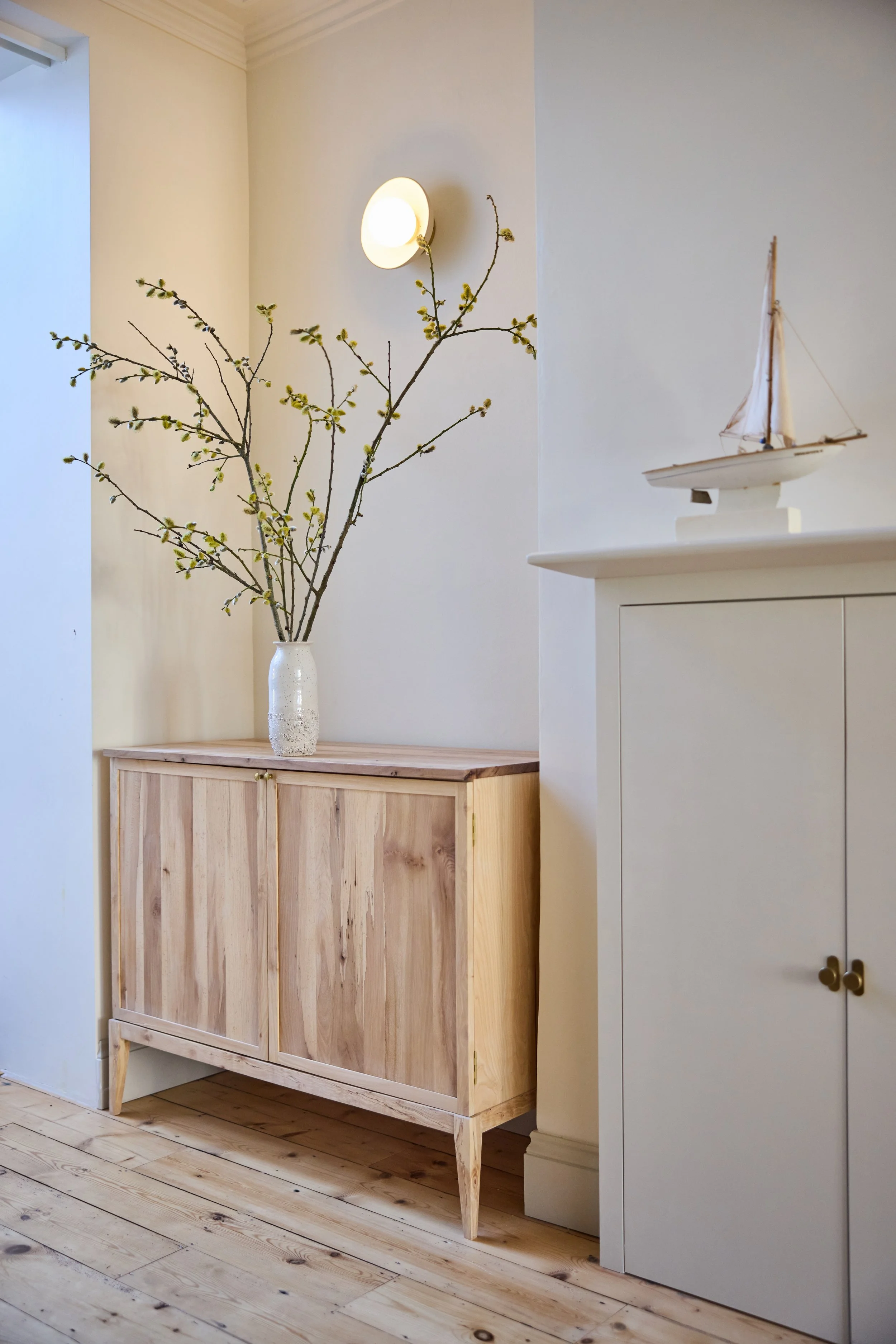
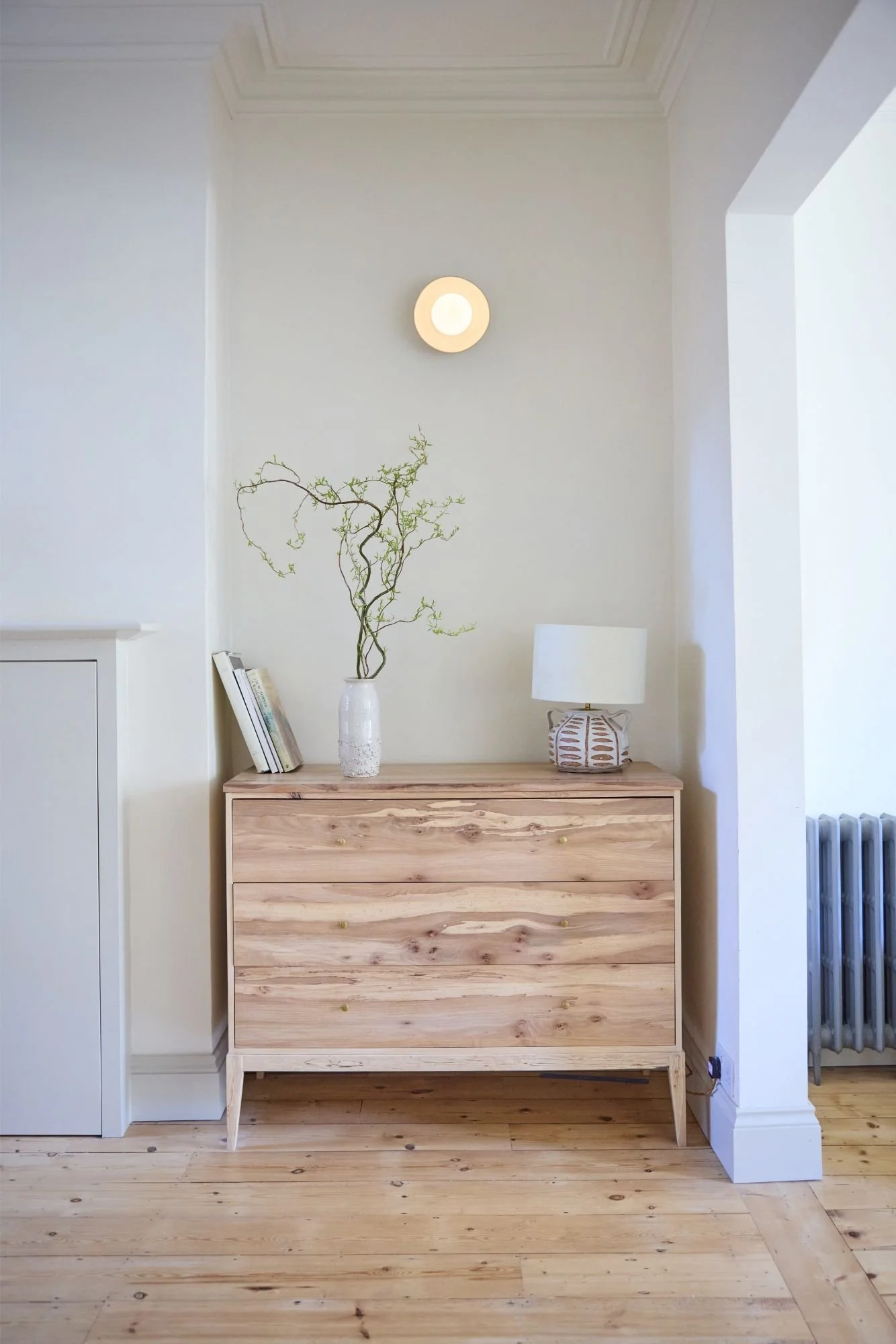
Why Alcoves Are So Difficult to Furnish?
Alcoves are rarely a perfectly regular size. Skirting boards, uneven walls, and the chimney breast itself all mean the space is very often not a true rectangle, sometimes by several centimetres from top to bottom or side to side. This is why two matching alcoves either side of one fireplace, a layout in period terraces right across the UK, so often end up needing something built specifically for the space, rather than bought off the shelf.
The Most Popular Route: Fitted, Painted MDF
The most common solution today, and a genuinely booming trade is a specialist carpenter building a cupboard (made most commonly of mdf) smaller than the alcove. Then adding scribed trims around the edges to close the gaps, so the finished result looks fully built-in, flush to the wall on every side. It's usually painted as a finish, and it can look genuinely excellent. This is a sought after skill for good reason, and the flush, tailored fit is a real advantage over anything bought ready-made.
This is furniture built into the room, not furniture you own independently of it, the often substantial investment is now part of the fabric of your house. Because it's fixed and scribed to your specific walls, it isn't something you take with you when you move, and MDF, however well painted, is a manufactured board, not solid timber, so it won't develop the character or the repair-and-refinish longevity that solid wood offers over decades.
Option Two: Flat-Pack, Made-to-Measure
Several UK companies offer made-to-measure alcove cabinets, built to your exact dimensions from a photo & set of measurements, delivered flat-pack for you or a local carpenter to assemble and fit. This solves the sizing problem at a lower cost than a fitted or bespoke solution, though the choice of finish is usually more limited, and again, the material is typically manufactured board rather than solid wood.
Option Three: DIY
Building your own alcove cupboards is achievable if you're reasonably confident with basic joinery, and it's the cheapest route by far. It takes time and some trial and error to get scribing and door alignment right, but for a straightforward cupboard where the finish doesn't need to be exceptional, it's a completely legitimate option.
Option Four: A Freestanding Bespoke Piece
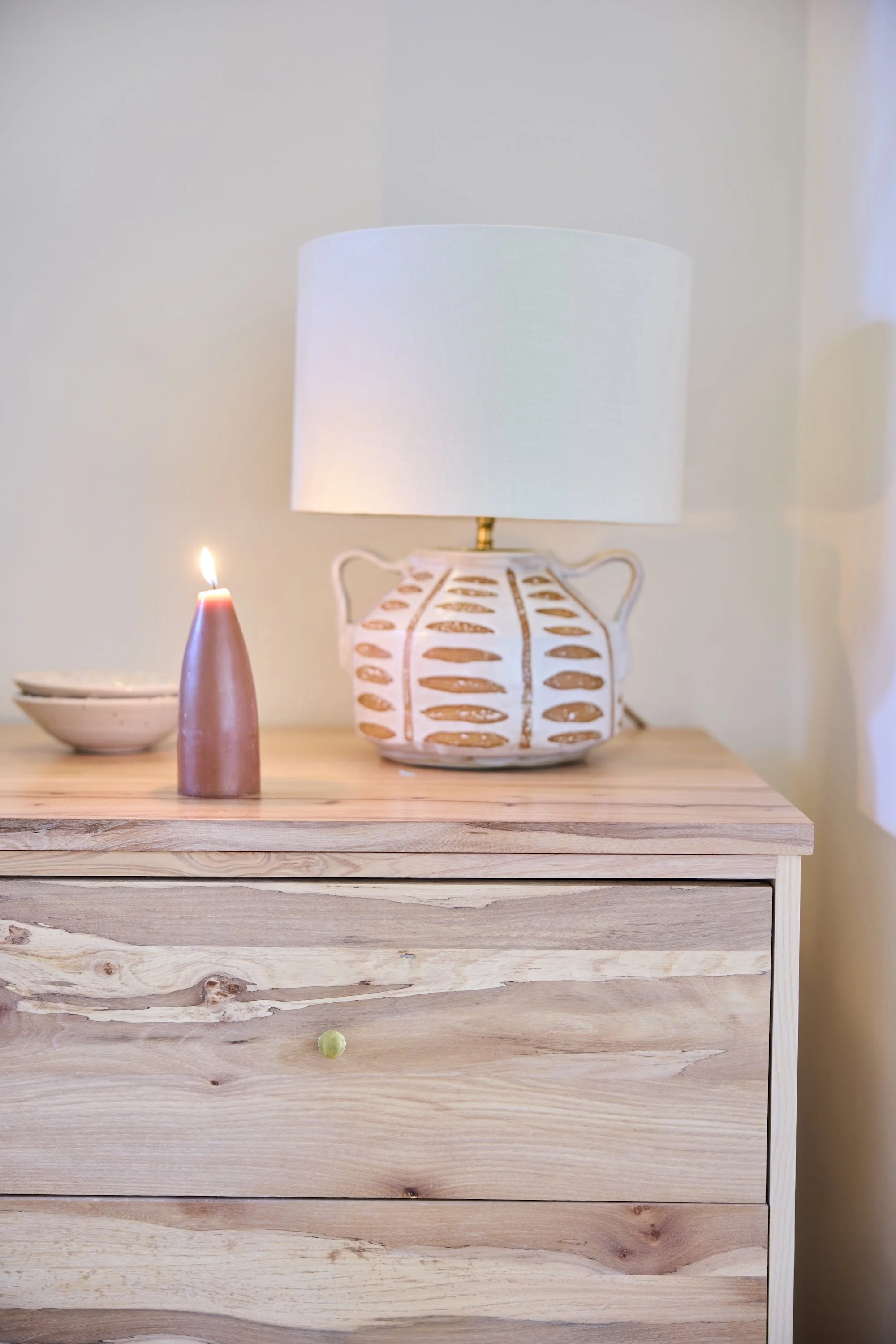
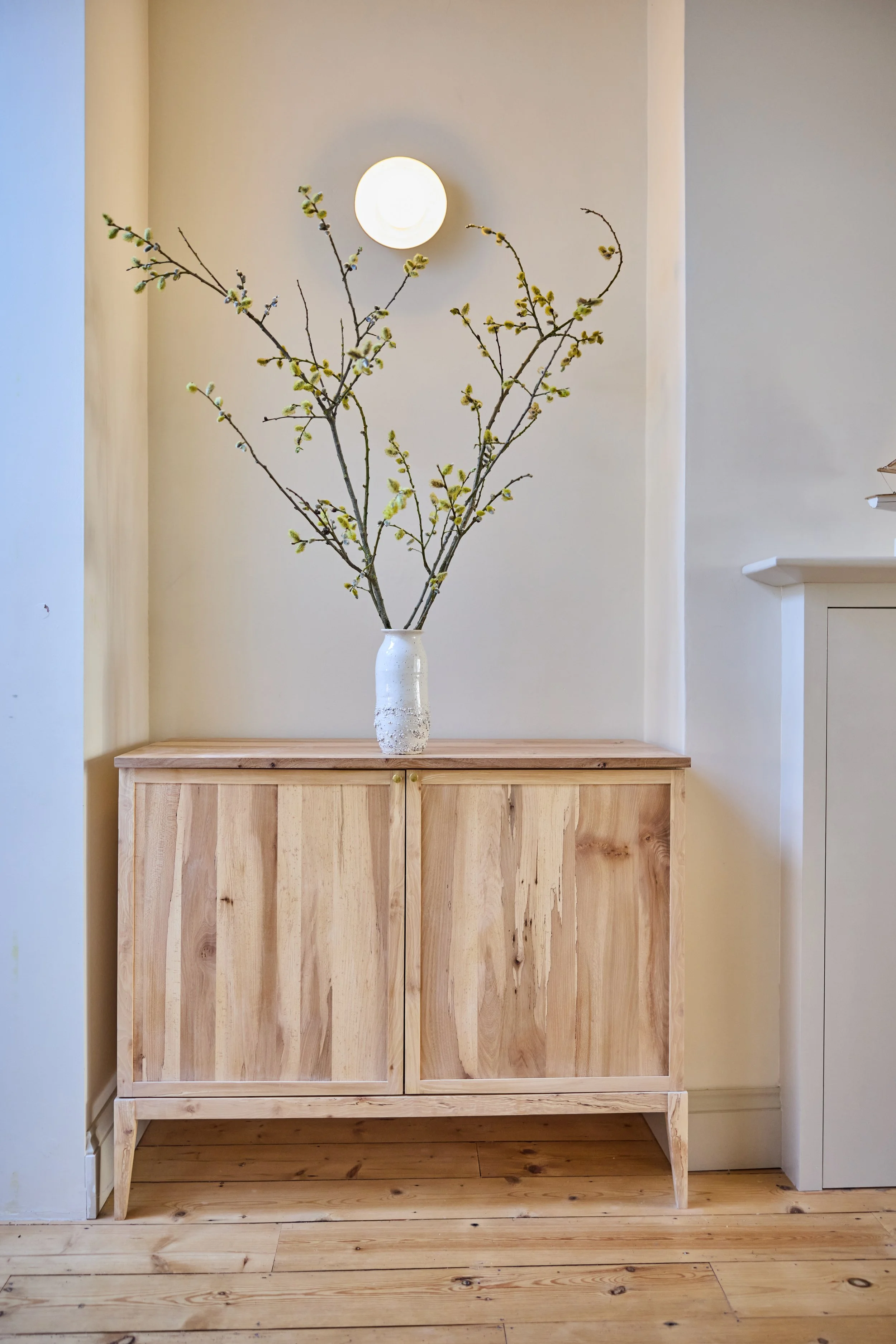
A different approach entirely, rather than building something fixed into the wall, is designing a freestanding piece that fills the same space, best in solid timber rather than manufactured board. It takes the same measuring and problem-solving that goes into a fitted job, working around the exact quirks of the alcove, but the result is a genuine piece of furniture rather than part of the room's fabric. It can be repaired and refinished for decades rather than repainted every few years, and because it's freestanding, it moves with you rather than staying behind with the house.
We built a matched pair this way, the Thorne Chest of Drawers and the Farrow Cabinet, designed for two alcoves either side of a fireplace in a Victorian terrace. Rather than making two identical pieces, the brief called for them to read as a couple, not a twin, each with its own character but clearly meant to sit together, one for children's art supplies, one for crockery. Read the full case study →
So Which Route Is Right for You?
If you want a flush, fully built-in look and don't expect to take it with you, fitted painted MDF is a genuinely good, popular choice, and worth budgeting properly for, since it's a skilled trade, not a cheap one. If cost matters most and you're comfortable with basic tools, DIY or a flat-pack made-to-measure service are both sensible routes. If you want a piece in solid timber, built to be lived with, repaired and eventually taken with you rather than left behind, a freestanding bespoke piece is the option built for that specifically.
Every alcove piece we build is made to order in solid British hardwood, sourced from British sawmills wherever possible, and sized to fit the space exactly. If that's the route you're weighing up, get in touch and we'll talk through what your space actually needs.