
How Much Does Bespoke Furniture Cost? A Guide to Pricing Factors
By Emily Thompson · Trew & Bold
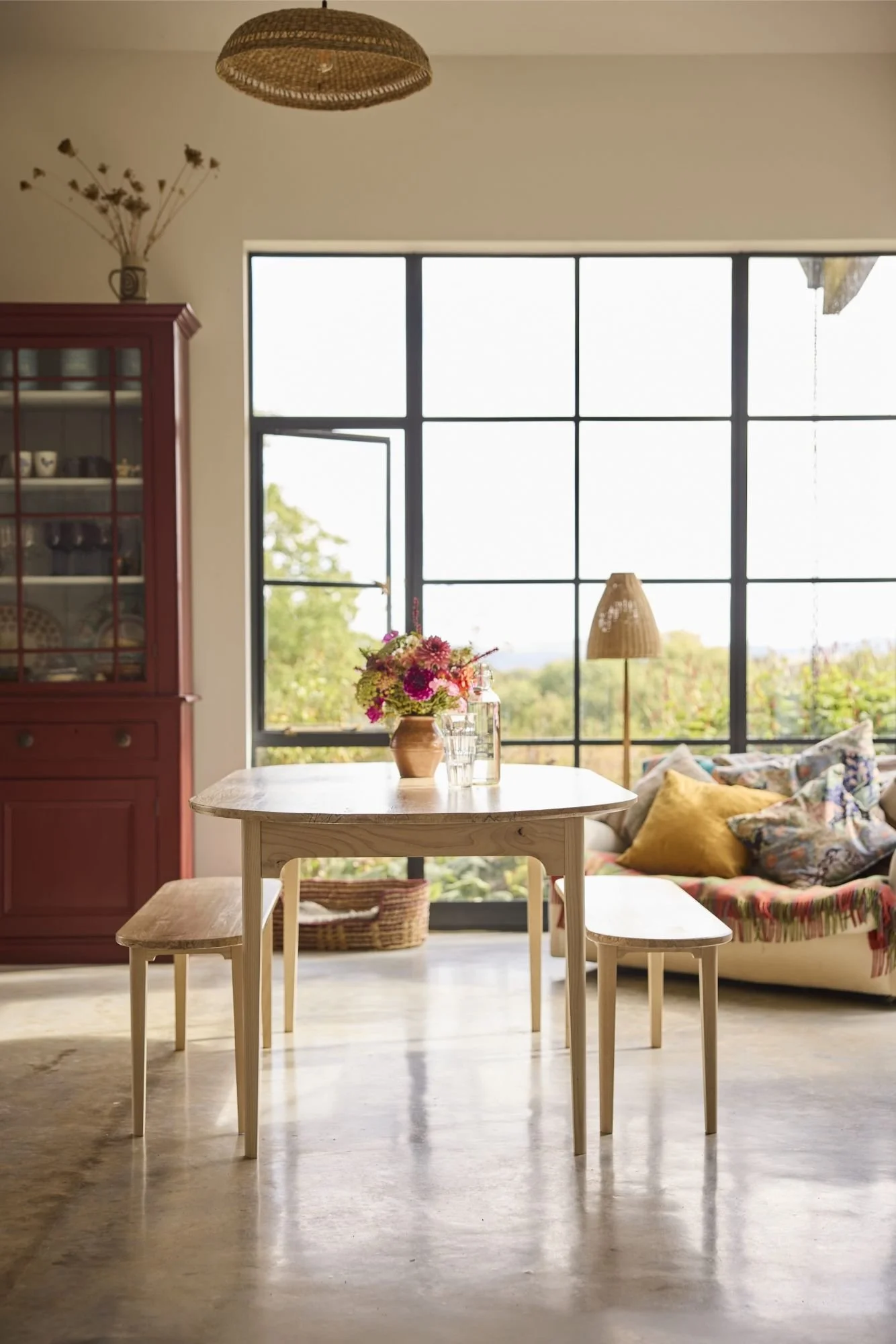
It's one of the most searched questions about bespoke furniture, and one of the hardest to answer simply.
There isn't a single price list to hand over, because a bespoke commission depends entirely on what's actually being made, its size, its timber, its function, its detail. That doesn't mean the question can't be answered properly, it just means the answer lies in the factors that drive cost, not a fixed figure.
Why There's No Price List
Bespoke furniture is priced individually because every piece is different in the ways that directly affect cost, size, complexity, timber, and finish, none of which are fixed.
A small side table and a full extending dining table use different amounts of material and different amounts of a maker's time, so pricing them the same way would either overcharge one or undercharge the other. What follows is what actually moves the number up or down.
Scale and Complexity
The most obvious driver is simply how much is being made. A bench costs less than a table, a table costs less than a full dining set, and a piece with a mechanism, an extending table for instance costs more than the same design without one, since it requires more engineering and precision to build.
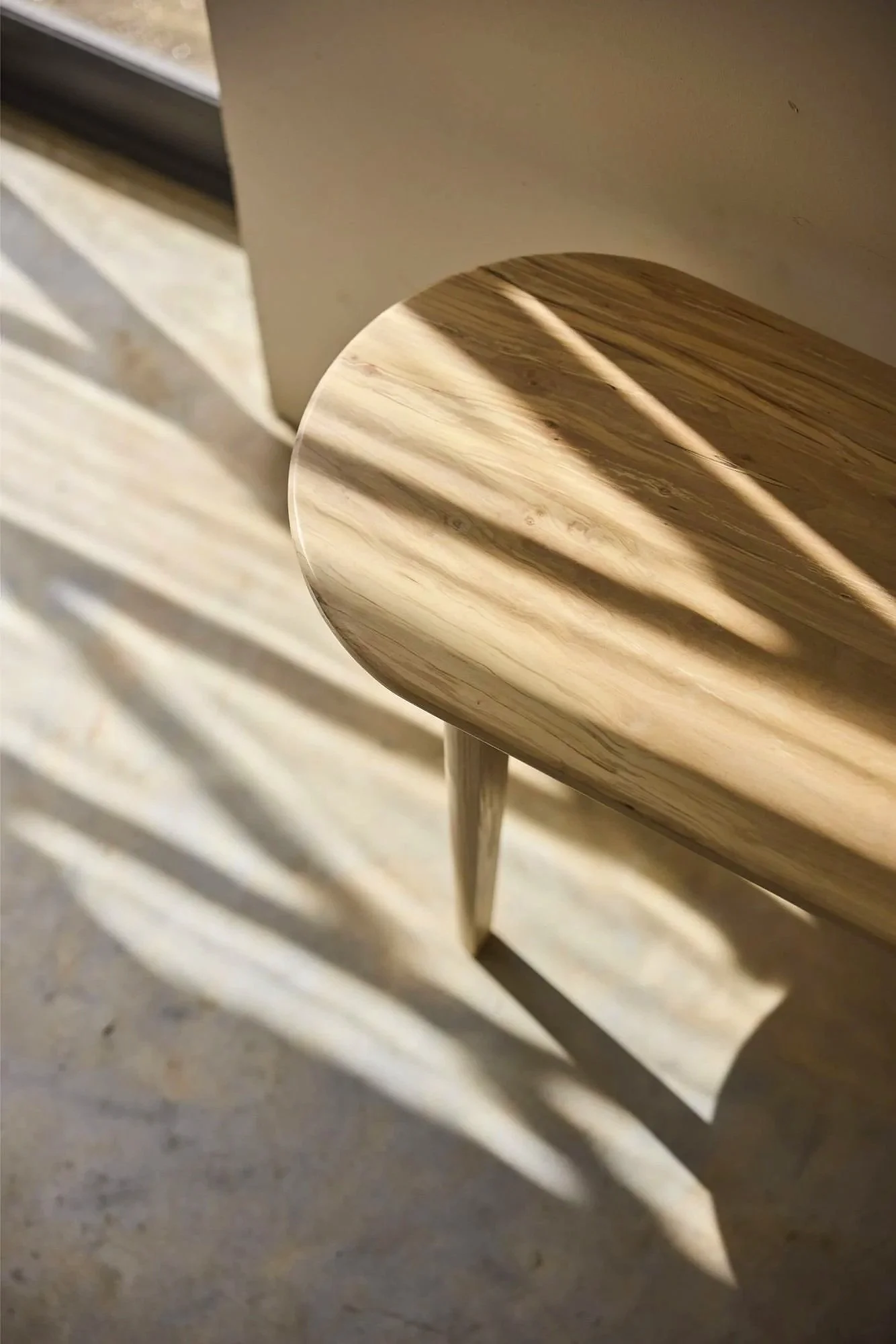
Design time is a significant cost factor in its own right, separate from the making. A fully bespoke piece, developed from scratch around a specific brief, takes real time at the drawing board before any timber is even chosen, working through proportions, function, context in its setting and how the piece will actually be used.
Getting the design right also means genuine back-and-forth, calls, emails and samples refining a detail until it's exactly right, and that conversation is itself a skill. listening carefully to translate what someone wants into something tangible that is functional as well as beautiful, is as much a part of the craft as the joinery.
This is part of why a bespoke commission generally costs more than a made-to-order piece adapted from an existing design, the thinking and the listening are built into the cost not just the design and making time.
Joinery decisions matter too. A simple slab-fronted drawer is quicker to make than a piece needing hand-cut dovetails or a complex interior configuration of shelves and dividers. None of this is about cutting corners on a simpler piece, it's genuinely about the time and skill each specific design calls for.
Timber Choice
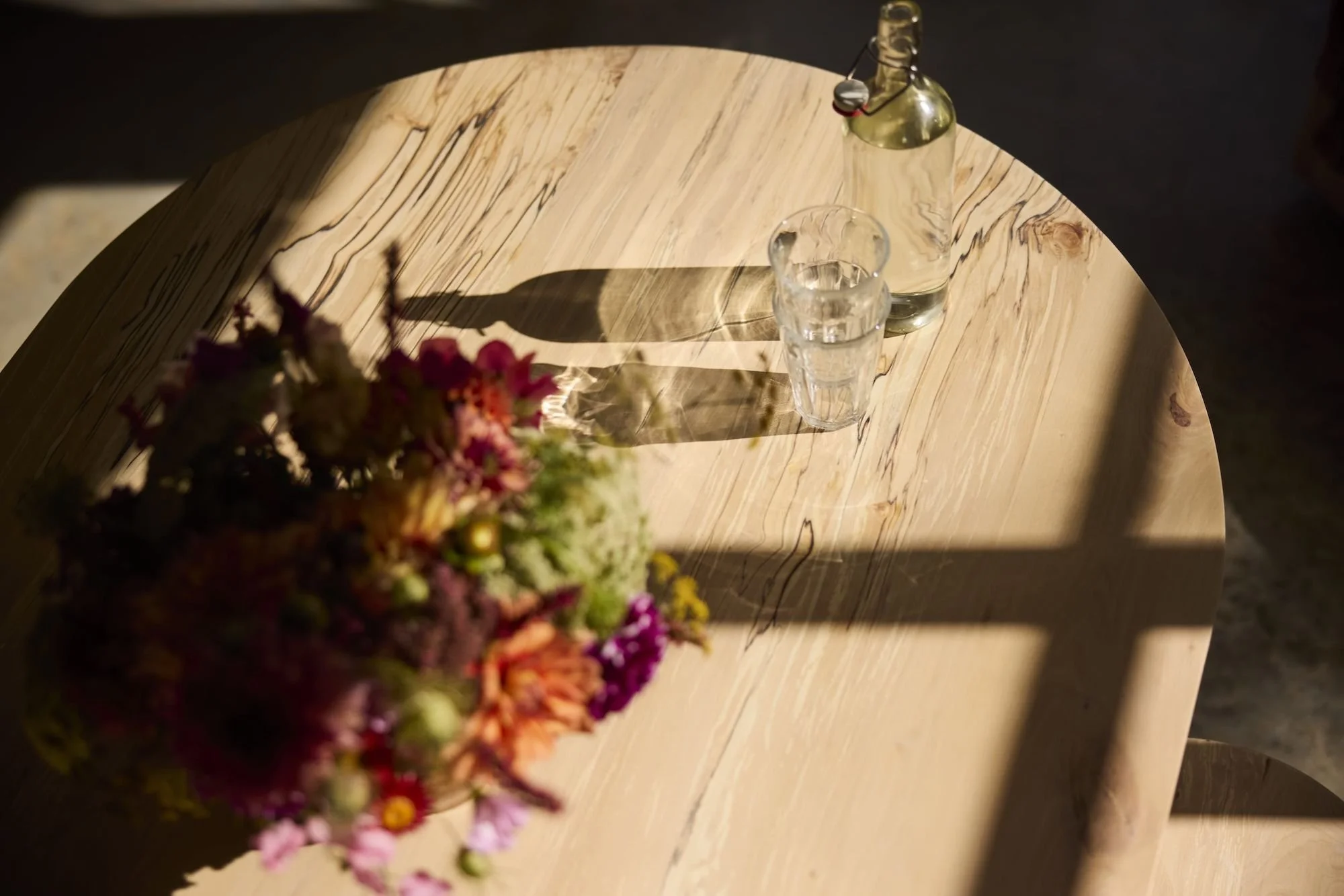
This is the factor people underestimate most. A common, readily available sustainably sourced British hardwood costs significantly less than a rare one, and it's not just the timber itself that costs more, it's the time spent finding it. Spalted timber, marked with natural dark patterning from early-stage fungal activity in the tree, can't be ordered from a catalogue, it has to be tracked down, often through calls to sawmills across the country, sometimes over weeks, before the right boards turn up.
That search time is genuinely part of the cost, the same as the timber itself, and the same goes for burr or pippy timber and rarer British hardwoods such as walnut or elm, prized precisely because they're unusual and beautiful and can't be sourced on demand.
None of this is upselling for its own sake, a rarer timber is genuinely more expensive to source, in both money and time, and that cost is passed on honestly, not inflated.
Finish and Detail
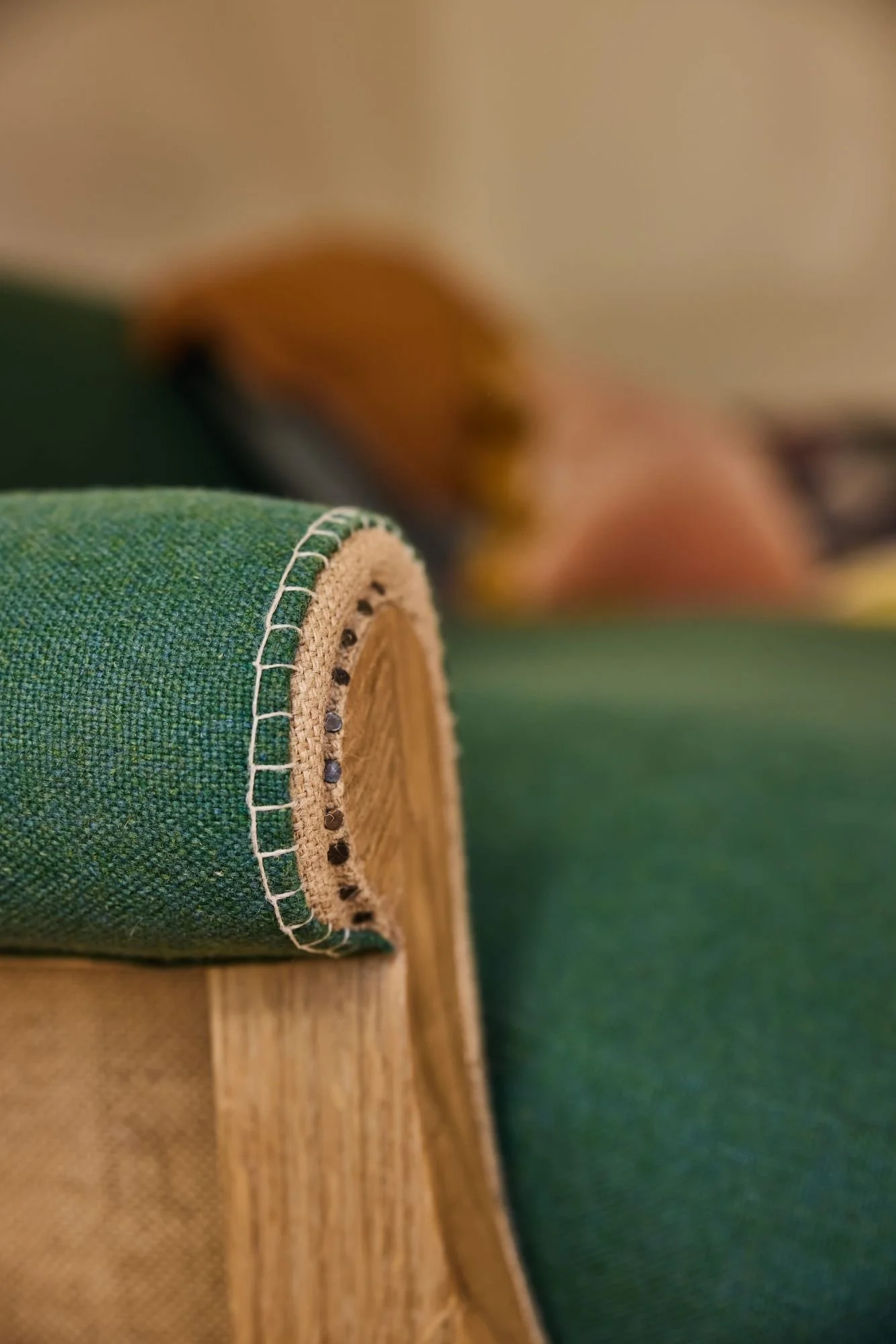
A natural oil finish, is generally more straightforward than a fully upholstered piece with a hand-finished frame and bespoke fabric guidance and choices. Small details, a specific hardware finish, a particular joint style, all add time, and time is the real currency behind any bespoke price.
Where Prices Start
Bespoke commissions at Trew & Bold start from £600, a genuine floor for the simplest pieces, in the most straightforward timber, rather than a typical price you should expect across the board. A fully bespoke dining table in a rare spalted hardwood will cost considerably more than that starting point, for all the reasons above.
How payments work
Deposits are standard practice across UK bespoke furniture makers, most commonly a straightforward 50% upfront with the balance due on completion.
At Trew & Bold, payment is split into three stages instead a 50% upfront, 40% at the midway point, and the final 10% on completion before the piece leaves the workshop, spreading the cost across the project rather than one lump sum at the end.
You'll have talked through every design choice and handled timber samples along the way, so you'll have a clear sense of what to expect, but nothing quite beats finally seeing it finished, in the flesh!
Why It's Worth It
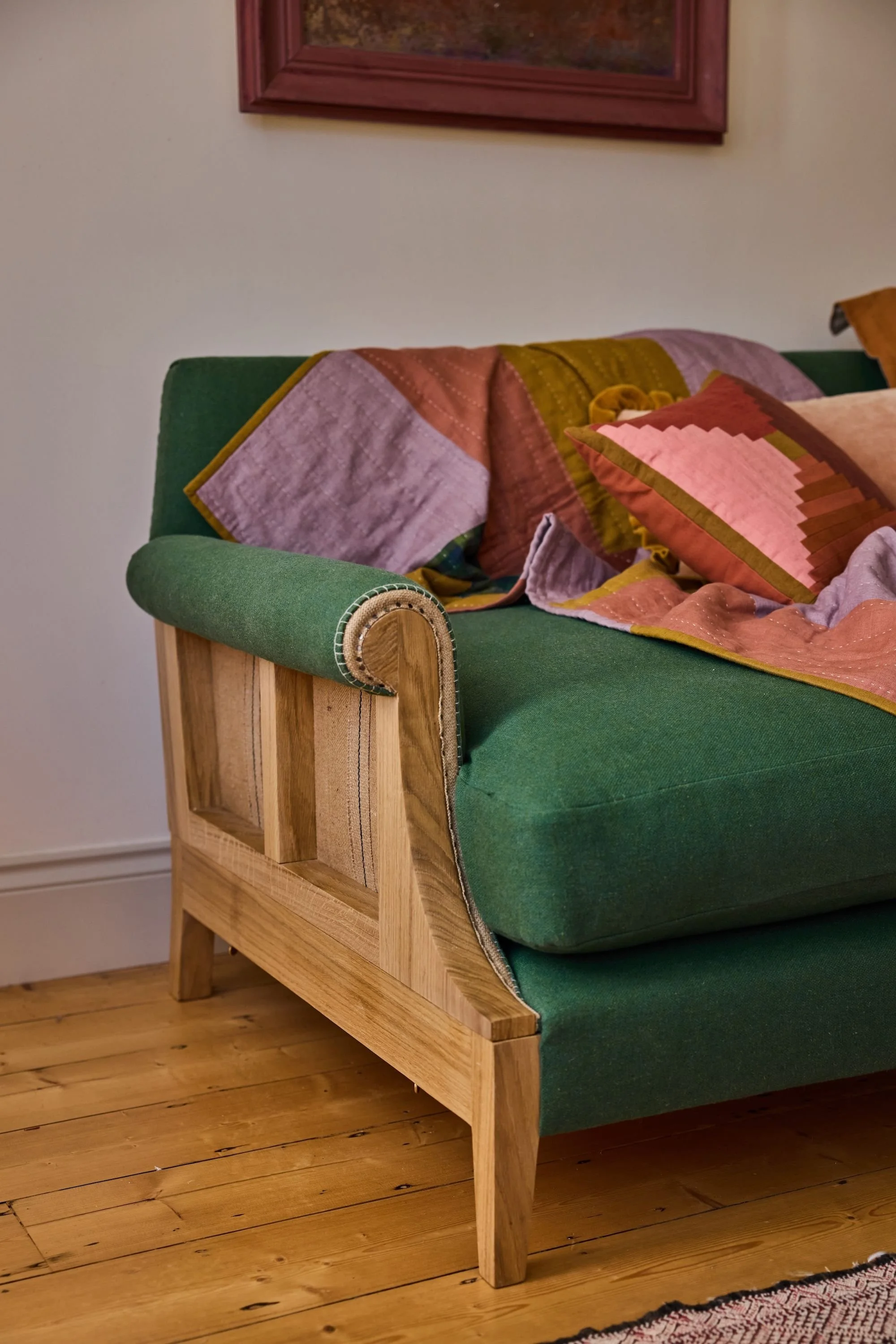
A bespoke price reflects a piece that's genuinely yours, not just in how it looks, but in how it fits into your space and your life as it evolves. Solid hardwood furniture, properly made, is built to be repaired and refinished for decades, not replaced when a fabric wears through or there’s a dent in the top. In contrast mass-produced furniture is rarely designed to survive. Over the lifetime of a piece that often makes bespoke work better value than it first appears, one considered commission outlasting several cheaper replacements.
It's also the only route to a piece that solves a problem nothing else can, an awkward alcove, an unusual brief, a specific way you actually live in a room. That's not something a price comparison against off the peg furniture can really capture, it's a different category of purchase entirely.
Getting a Real Number
The only way to get a real sense of price is a conversation. Get in touch with a sense of what you're picturing, the piece, the rough size, the timber if you have a preference, and we'll talk through it and give you a realistic starting estimate based on everything above. As the design comes together, timber is chosen and details are settled, that estimate sharpens into a firm price, so you always know where you stand, and exactly what's driving the number, before anything's confirmed.